


5 Healthy Hair Habits From A Dermatologist
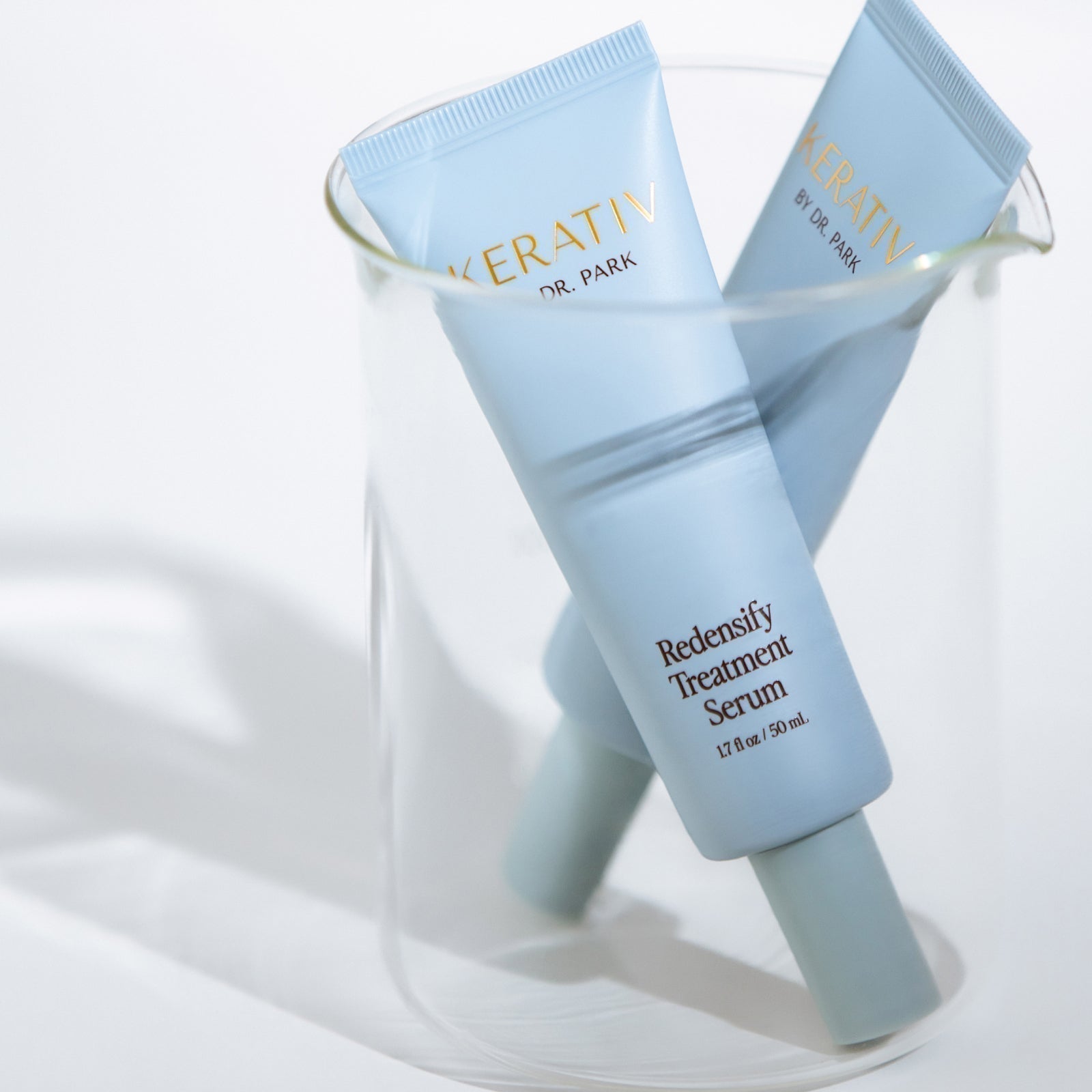
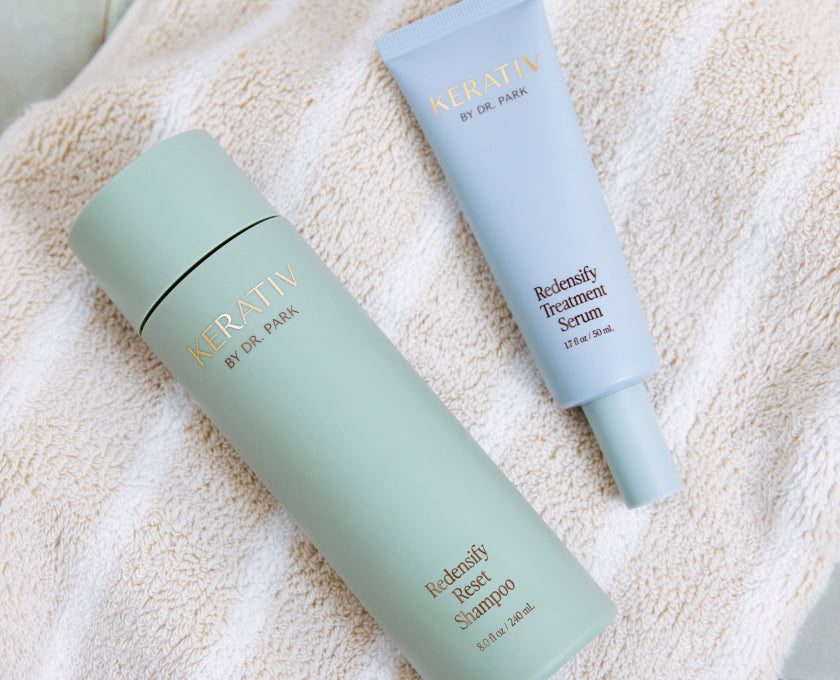
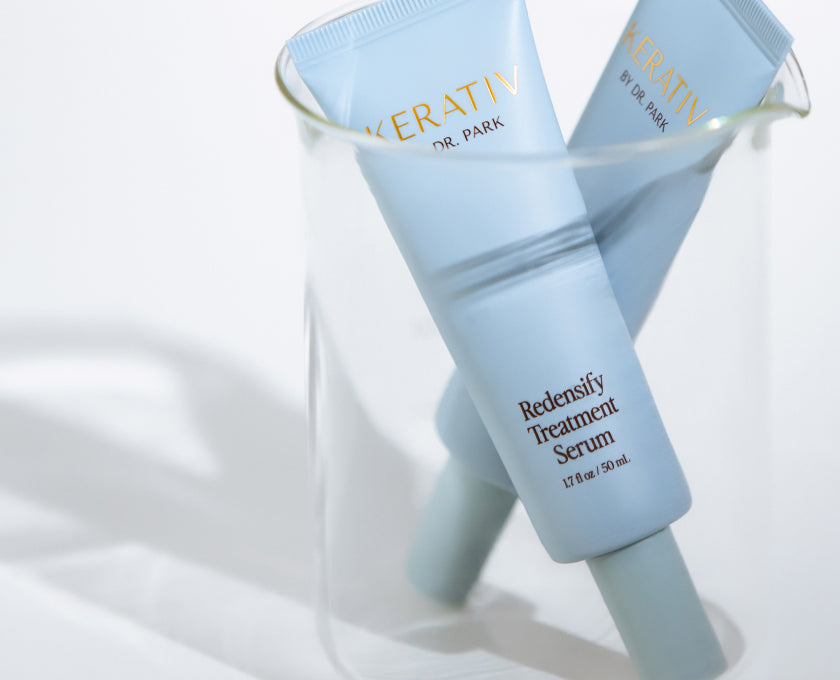
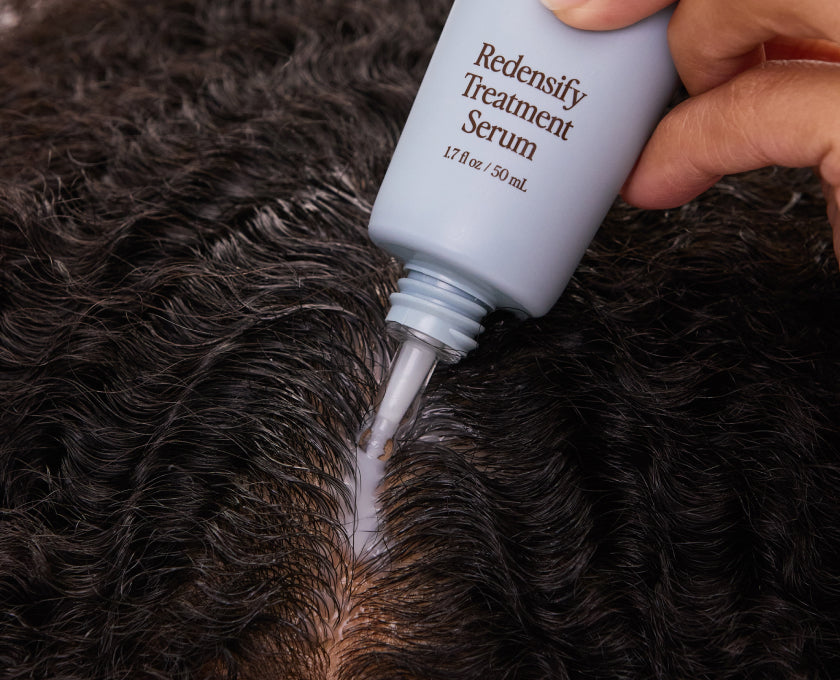
So you decided to add the Redensify Regimen to your self-care routine. Now let's make sure your daily habits aren't undermining the work these formulas can do!
Most of what I see in clinic isn't a product problem. It's a habit problem. Patients come in worried about thinning hair, but they're often doing several small things every day that work against them. None of them feel obvious. Together, they shape what's happening on your scalp.
Here are five healthy hair habits I tell every patient. Free, sustainable, and they make your routine work harder.

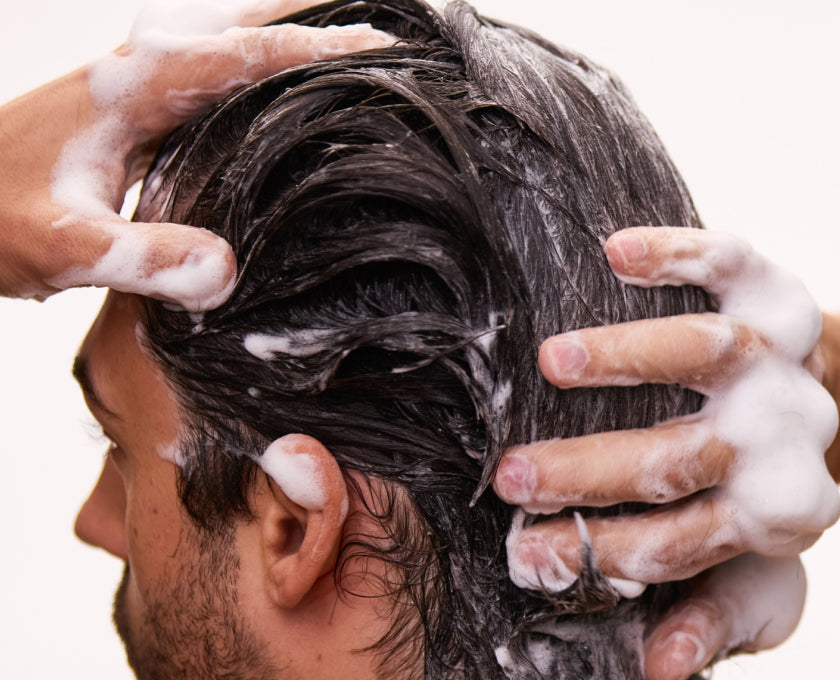
1. Wash your hair regularly.
This is the biggest one. I have so many patients ask me about "training their scalp" to produce less oil by washing less often. Let me be clear: this is a myth!
Sebum production is controlled by hormones, genetics, and the activity of your oil glands. It doesn't decrease because you skip shampoo. What does happen when you go long periods without washing? Oil, sweat, and product build up. That buildup creates an environment where Malassezia yeast thrives, which can worsen dandruff and irritation. Inflammation around the follicles can also contribute to increased shedding.
A clean scalp is a healthy scalp. Regular washing removes buildup, reduces irritation, and supports the conditions needed for healthy hair growth.
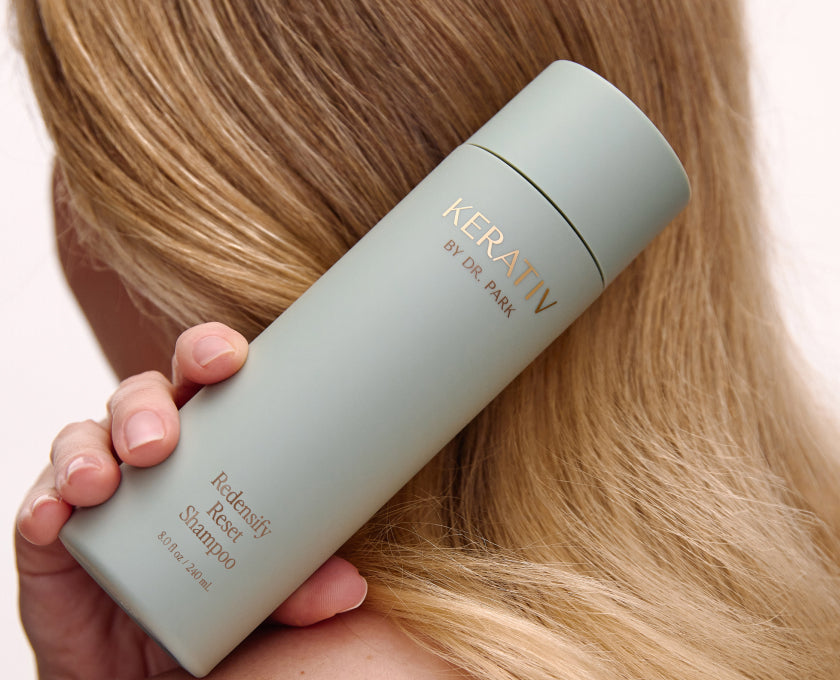
This is exactly why I formulated the Redensify Reset Shampoo. It cleanses without stripping, rebalances the scalp microbiome, and supports the foundation for fuller-looking hair.
2. Ease up on the daily slicked-back styles.
I love a slicked-back bun and high pony, but wearing your hair in these styles every day can lead to thinning.
The hairline is the most vulnerable area for traction-related thinning. When you pull hair tight in the same spot repeatedly, the follicles take the brunt of it. Over months and years, they weaken. This can lead to preventable hair loss.
If you love the slicked-back look, alternate it with looser styles. Use silk or satin scrunchies that grip less. Give your hairline time to recover between tight days.

3. Towel dry with microfiber, then brush from the ends up.
Wet hair is the most fragile state hair can be in. The cuticle is open, the strand is heavier, and rough handling at this stage is one of the biggest causes of breakage I see.
Start with a microfiber towel. It absorbs water faster and reduces friction compared to a regular towel, which means less stress on already-fragile strands.
When you brush, start at the ends. Work out the tangles there first, then move up the strand a few inches at a time. By the time you reach the roots, the hair is already detangled. A wide-tooth comb or a wet brush works better than a regular brush at this stage. Less tension, less breakage.
4. Always use a heat protectant.
Heat styling without a heat protectant undoes a lot of the work you're doing for your hair.
The temperatures most styling tools reach are high enough to damage the cuticle, weaken the strand, and contribute to breakage over time. Blow dryers, flat irons, curling irons. They all do damage to unprotected hair.
A heat protectant creates a buffer between the tool and your hair that meaningfully reduces damage. Apply it to damp or dry hair before any tool touches it. If you're going to style with heat, the protectant is part of the routine. Not optional!
5. Don't go to bed with wet hair.
This one comes up so often I had to include it.
Hair that stays wet for hours sits in its most fragile state. Friction from the pillow all night, especially when you toss and turn, is one of the worst things for fragile hair. It can cause breakage you don't realize is happening until you see it in the morning.
There's another reason too. A damp scalp held against a pillow for hours creates an environment where bacteria can grow. Over time, that affects the skin on your scalp, which affects follicle health, which is the foundation for healthier hair.
If you've washed your hair late, take time to dry it (or at least most of the way) before bed. A gentle blow dry on low heat with your heat protectant works. So does letting it air dry while you finish other things, then heading to bed dry.