

Can Shampoo Actually Help with Hair Loss?
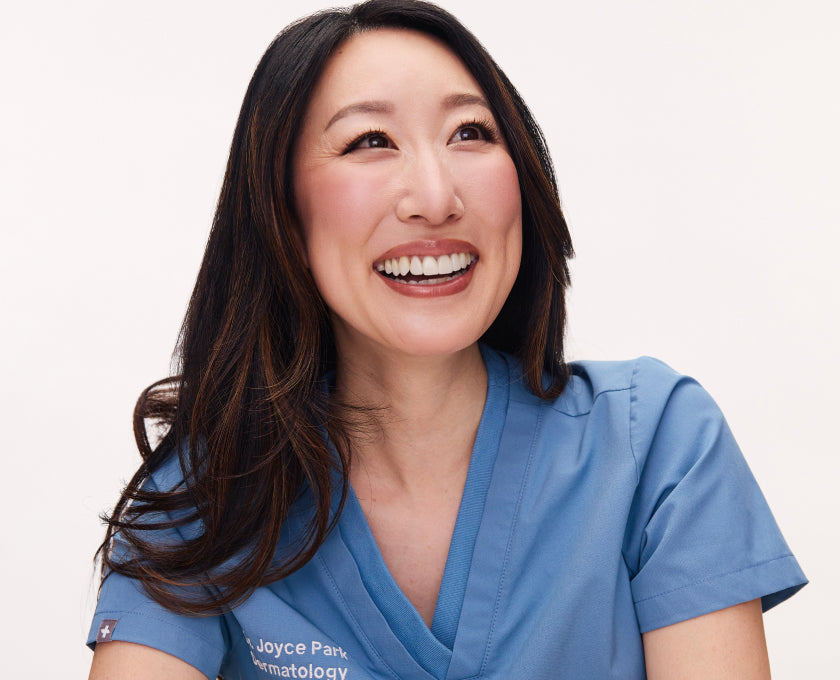
I hear this question from my patients all the time. Someone will come in worried about shedding or thinning and ask whether switching their shampoo could make a real difference.
Like most things, the answer is, “It depends.”
Shampoo is not a cure for hair loss.
However, a thoughtfully formulated shampoo can improve the scalp environment and support overall follicle health, which may help promote stronger, more resilient hair over time.
To understand how, it helps to step back and talk about what is actually happening on the scalp.
What’s Happening on the Scalp
Hair grows from follicles that sit within the scalp. Each follicle cycles through phases of growth (anagen), transition (catagen), and rest (telogen). That cycle is influenced by hormones, genetics, inflammation, and the overall health of the surrounding skin.
When the scalp environment is balanced, follicles are able to move through their normal growth cycle. When the scalp is chronically inflamed, congested with excess oil and buildup, or disrupted by yeast overgrowth, that environment changes.
In many forms of hair shedding, inflammation around the follicle can disrupt the normal hair cycle. When the follicle environment becomes inflamed or stressed, the growth phase (anagen) may shorten and a larger proportion of hairs can shift into the resting phase (telogen) at the same time, which leads to noticeable shedding. I see this commonly in clinic after patients undergo major physiologic stressors such as childbirth, significant illness, rapid weight loss, or starting certain medications, including GLP-1 agonists. Excess oil and debris can also accumulate around follicular openings, further irritating the scalp. Over time, chronic inflammation may contribute to gradual follicle miniaturization, which means the follicles slowly shrinks and begins producing thinner, shorter hairs with each growth cycle.
Keep in mind that many forms of hair loss are driven by internal factors like hormones or genetics. Still, follicles rely on a healthy scalp environment, and when that balance is disrupted, growth can suffer. This is where shampoo plays a key role.

When Shampoo Can Meaningfully Help
In cases where shedding is related to inflammation from significant dandruff, I often recommend a medicated shampoo with Ketoconazole to reduce excess yeast and calm the scalp.
But visible flaking is not the only sign of imbalance. Even without dandruff, scalp health still matters. Excess oil, buildup, and disruption of the scalp microbiome can create conditions that are less supportive of healthy hair growth.
Not everyone needs a medicated formula. Many people benefit from a shampoo designed to cleanse thoroughly, remove buildup, and support microbiome balance without stripping the scalp.
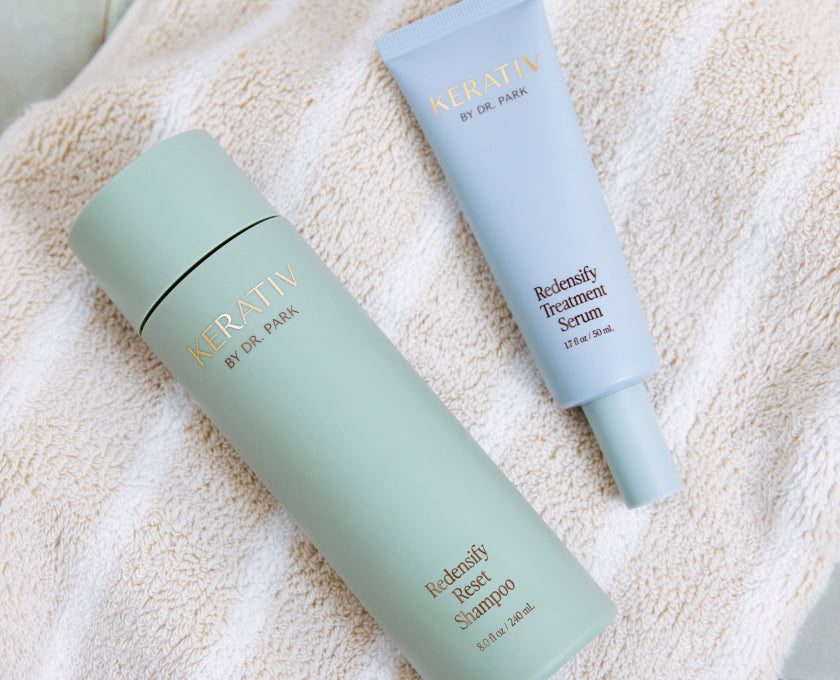
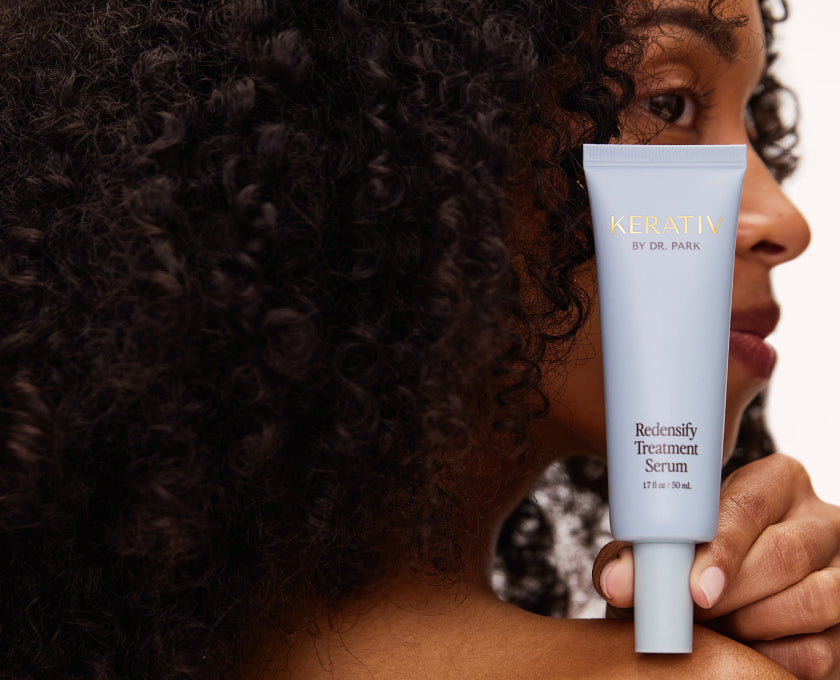
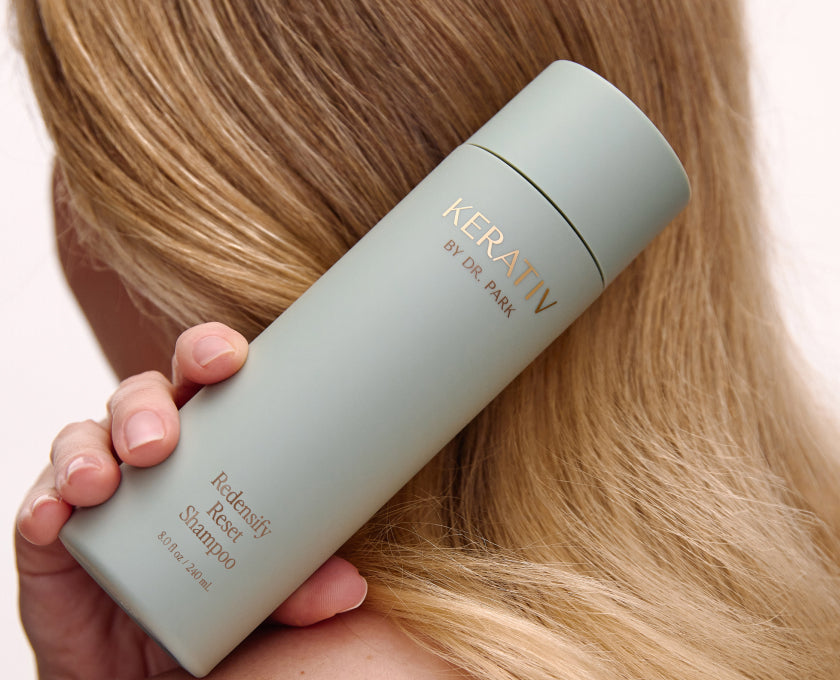
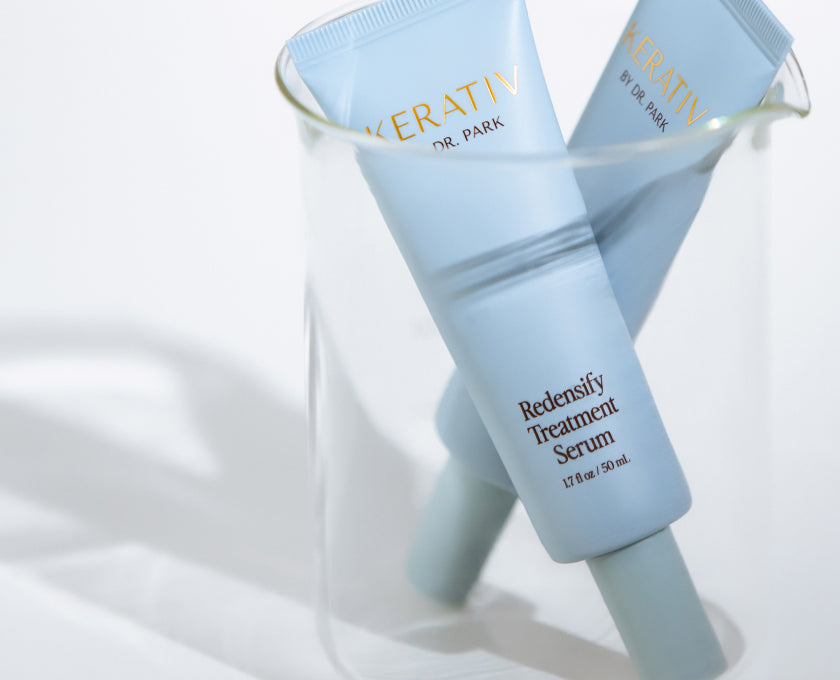
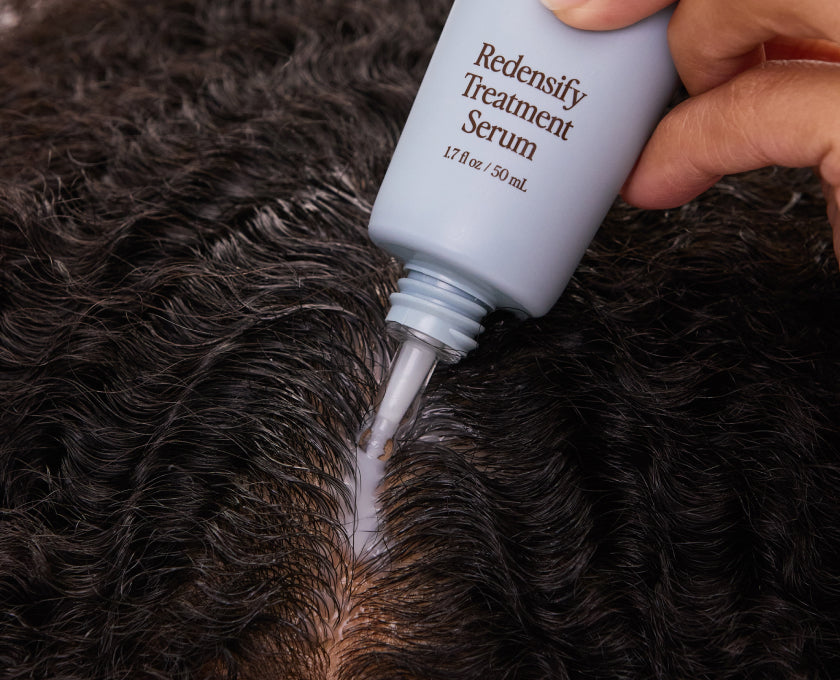
That is the philosophy behind the Redensify Reset Shampoo. I formulated our shampoo to work alongside our Redensify Treatment Serum because proper scalp cleansing is foundational and before applying a leave-on treatment, it is important to start with a clean base.
I formulated Redensify Reset Shampoo with Chlorella Prebiotic to help support microbiome balance, while Velvet Flower Seed Extract has been shown to support the appearance of increased hair diameter. Our proprietary TrichoCore Complex includes Zinc PCA to help regulate excess oil and support scalp balance, Caffeine to help promote circulation around the hair root, and Pumpkin Seed Extract, which has been studied for its potential to support DHT-modulating activity.
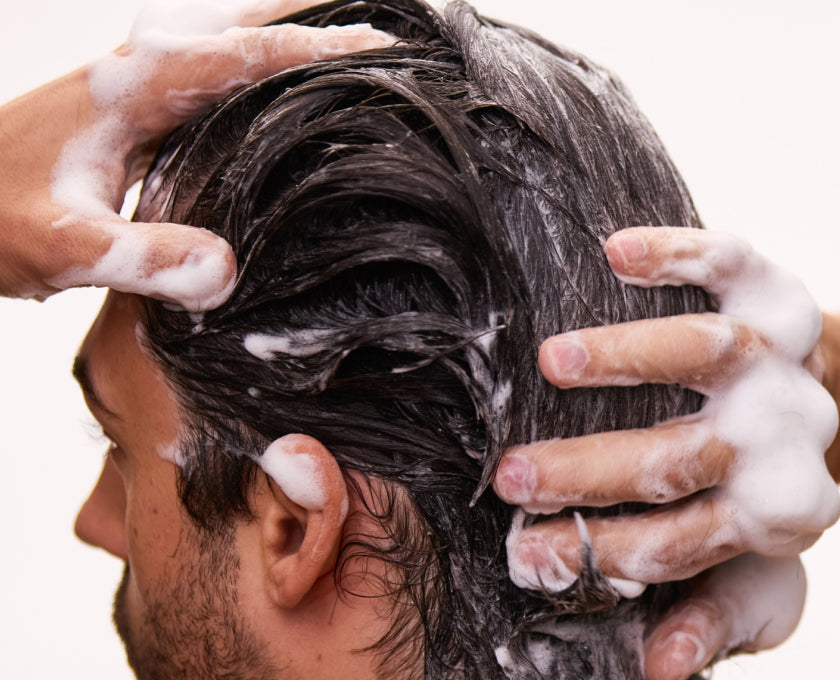
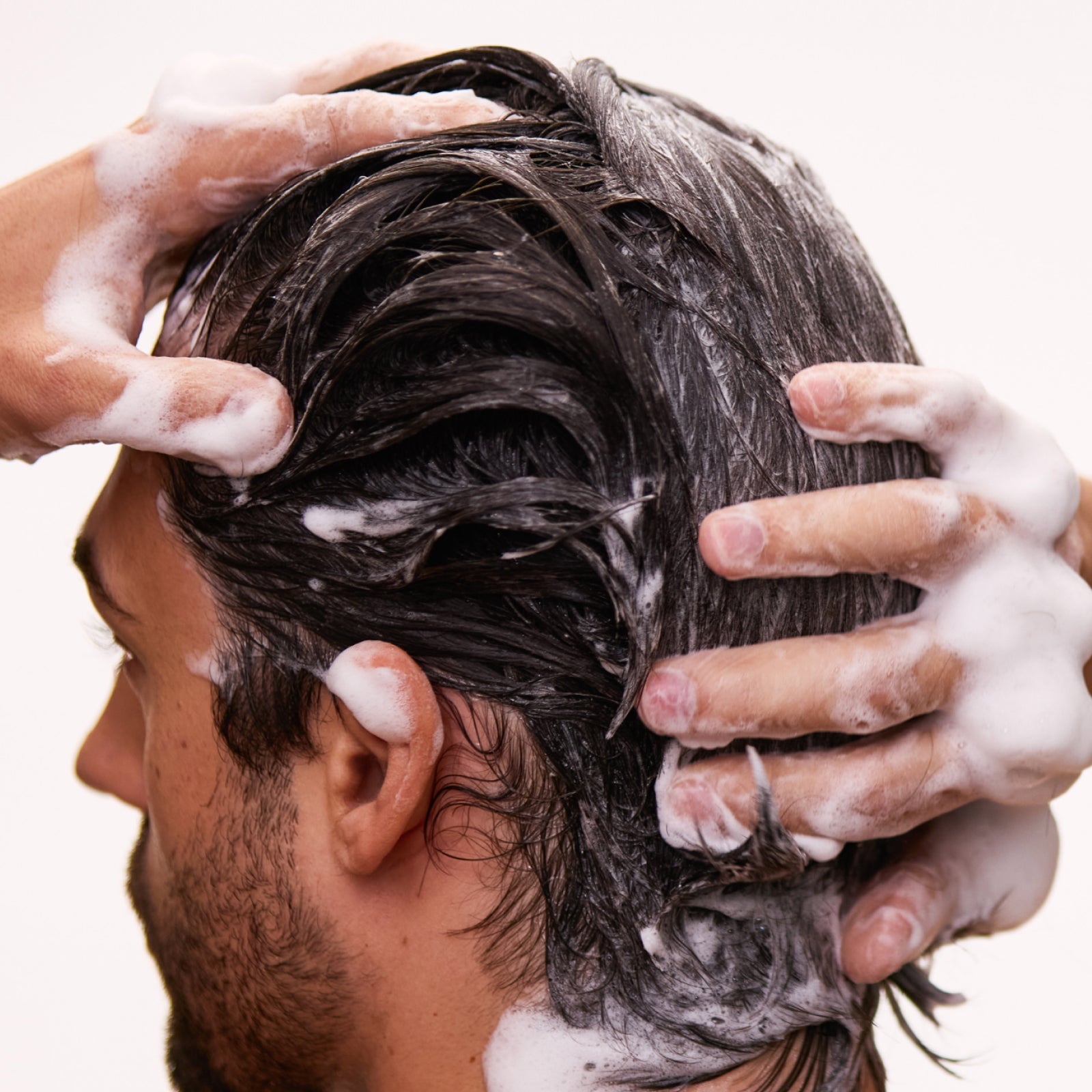
Getting the texture right was in my opinion one of the most important aspects of this formula.. Many medicated shampoos can feel drying or clinical, so I wanted this to feel different. The scent is soft and calming, but not overpowering so it doesn’t feel perfumy. It creates a rich, cushiony lather that effectively lifts oil and buildup without leaving the scalp stripped. If you love suds, my tip is to shampoo twice. The first won’t be that bubbly because the surfactants are doing their job cleansing, not bubbling. During the second wash, with less residue present, you will usually notice more bubbles.
Shampoo alone is not a solution for every type of hair loss. But when it prepares the scalp thoughtfully and supports follicle health, it becomes a meaningful part of a comprehensive regimen.

How to Tell If Your Shampoo Is Helping
Improvements from a shampoo are often subtle at first. You may notice less itching and irritation, reduced flaking, a scalp that feels more comfortable and balanced, or less oil between washes.
These are subtle improvements, not dramatic regrowth moments, but beneficial changes in scalp health can compound over months.
Remember: good things take time. Hair growth is slow. Follicles cycle gradually. When inflammation decreases and barrier function improves, the benefits often show up later in the form of stronger, more resilient strands.
Read more
How often you should wash your hair isn’t about following a universal rule, it’s about understanding your scalp. This post breaks down how factors like oil production, hair type, sensitivity, and l...
If you’re dealing with thinning hair, I want to start by saying this is something I see all the time in clinic. It can feel frustrating, and sometimes more than a little overwhelming, especially wi...