




How Often Should You Wash Your Hair?
How to match your wash routine to your scalp biology
“How often should I wash my hair?” sounds simple, but the right answer is rarely one-size-fits-all.
In practice, it comes down to your scalp. Not trends, not rules, not what works for someone else.
Because your scalp is skin. And just like the skin on your face, its needs vary based on oil production, sensitivity, environment, and how you care for it day to day.
Is daily washing actually damaging?
Daily washing isn’t inherently damaging.
What matters is your scalp type, your hair texture, whether your hair is color-treated, and what you’re washing with.
If you have an oily scalp, sweat frequently, work out daily, or are prone to seborrheic dermatitis (dandruff), washing every day can actually improve scalp health. It helps reduce buildup, rebalance oil, and keep inflammation in check.
On the other hand, if you have tightly coiled hair, a dry or sensitive scalp, or heavily processed color, daily washing with a harsh cleanser can lead to dryness, irritation, and breakage.
So no, daily washing isn’t “bad.” It just needs to match your biology.
What happens to your scalp when you wash too often?
Your scalp has its own barrier and microbiome.
It’s rich in sebaceous glands, produces natural lipids, and supports a delicate balance of microorganisms that help regulate inflammation.
Overwashing with harsh formulas can strip those surface lipids and disrupt that balance.
In clinic, that shows up as:
-
Tightness or dryness
-
Itching or flaking
-
Increased sensitivity
-
Reactive oiliness
But here’s the nuance: gentle, well-formulated cleansing does not automatically disrupt the microbiome.
In fact, for oily or dandruff-prone scalps, regular washing can help normalize yeast overgrowth and reduce inflammation.
This is why scalp care is foundational. Healthy hair starts with a stable scalp environment.
Can you “train” your scalp to be less oily?
No.
Sebum production is hormonally regulated. You can’t train your sebaceous glands to produce less oil by washing less.
What people often experience is something different.
If you’re using a harsh shampoo, you can overstrip the scalp. That can trigger rebound oiliness. When you switch to a gentler formula and reduce frequency, your scalp feels more balanced.
That’s not training. That’s reducing irritation.
Who should wash daily and who should not?
Daily washing may benefit you if you have:
-
An oily scalp
-
Fine hair that gets weighed down easily
-
Frequent workouts or sweat exposure
-
Acne along the hairline
-
Seborrheic dermatitis (dandruff)
You may want to space out washes if you have:
-
Tightly coiled or textured hair
-
A dry or sensitive scalp
-
Color-treated or chemically processed hair
-
Signs of barrier disruption (tightness, flaking, irritation)
The goal is not to follow a rule. It’s to support your scalp.
How to shampoo your hair correctly
How you wash matters just as much as how often.
Start with your scalp, not your lengths. This is where oil, sweat, and buildup accumulate.
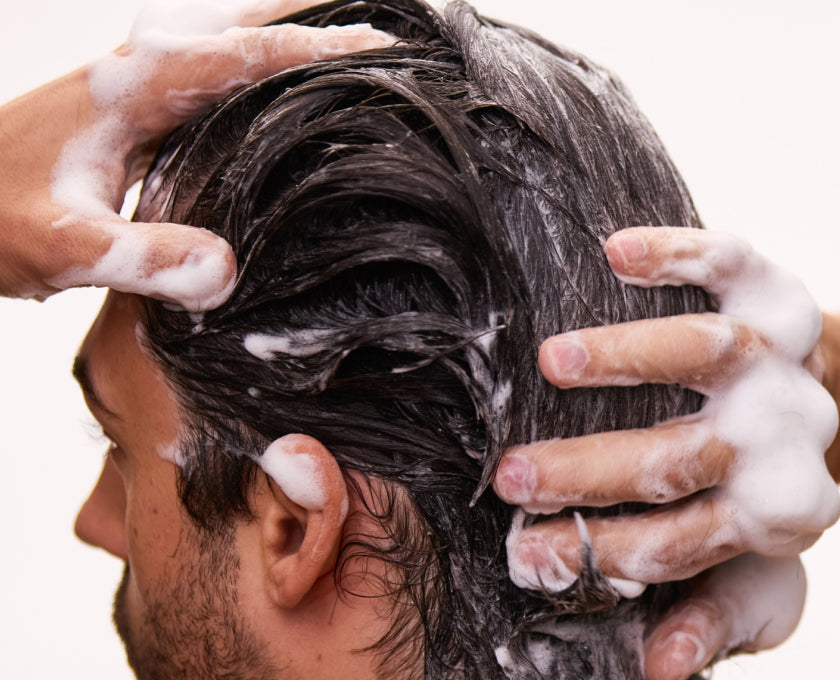
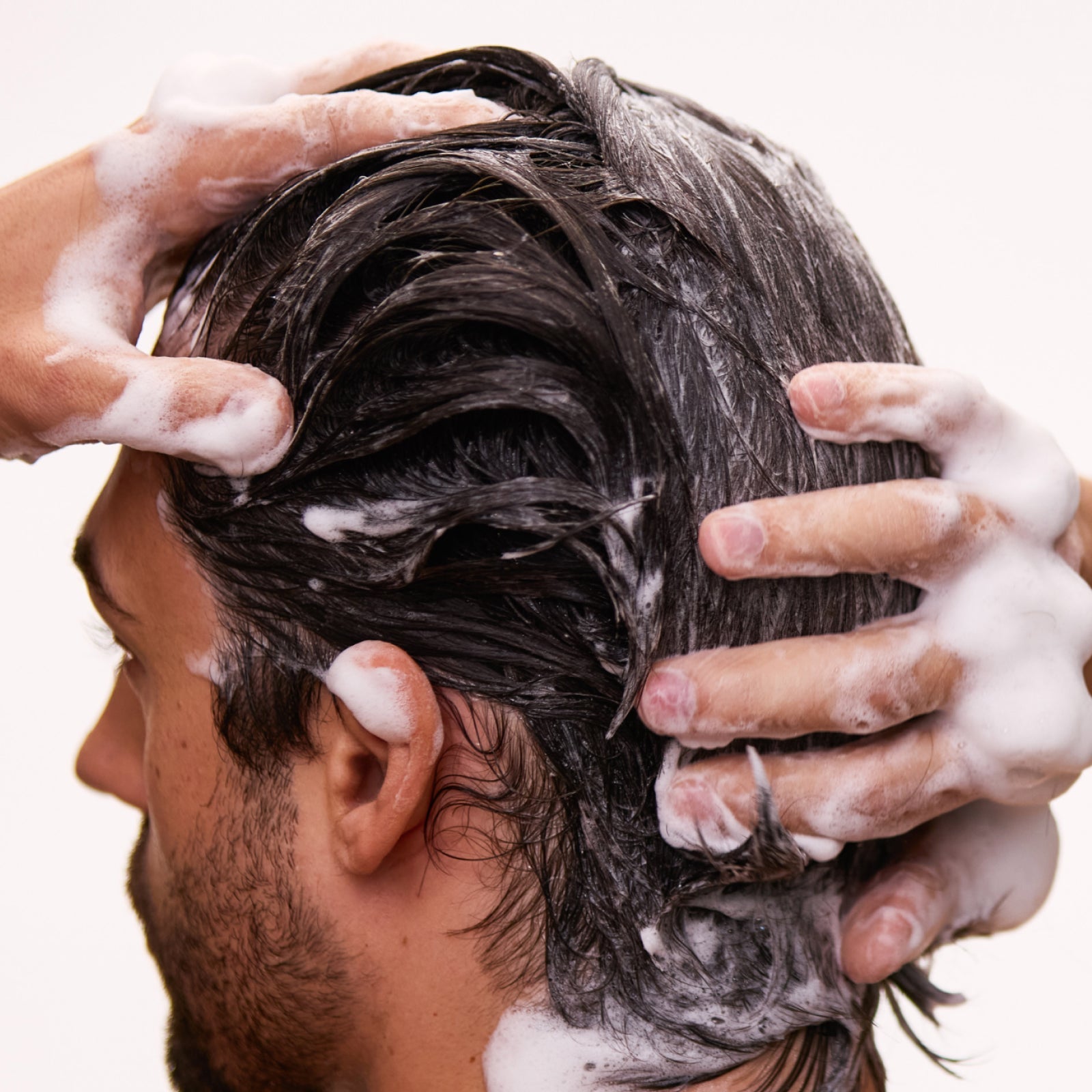
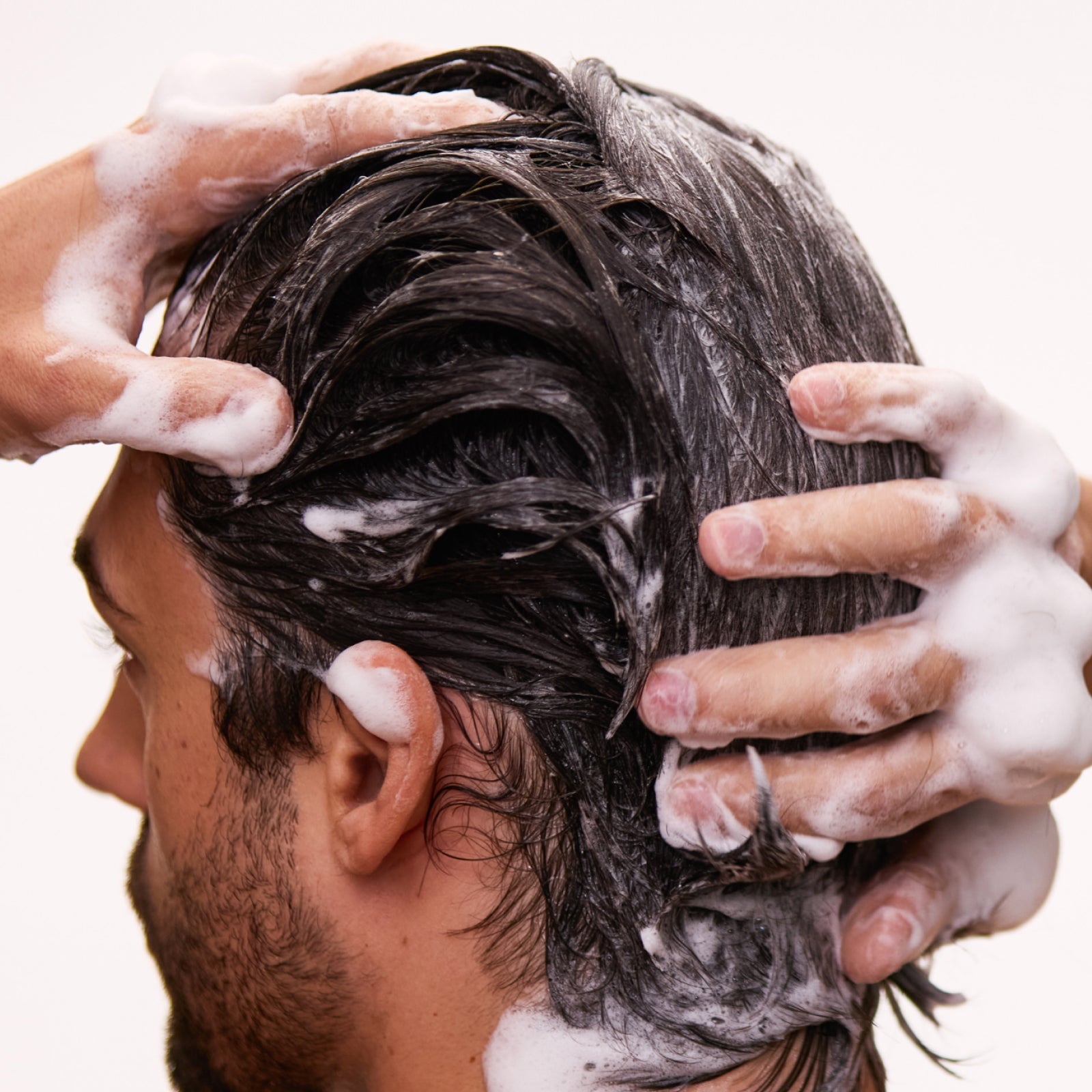
Use enough water to fully saturate the hair, then apply shampoo directly to the scalp. Massage gently with your fingertips, not your nails.
One of the most overlooked steps is timing.
Instead of rinsing immediately, let your shampoo sit for 30 to 60 seconds. This gives cleansing agents time to break down oil and buildup, and allows any active ingredients to actually do their job.
Then rinse thoroughly and let the lather run through your lengths without aggressively scrubbing them.
What to look for if you wash frequently
If you’re washing daily or near daily, your shampoo needs to work with your scalp, not against it.
Look for:
-
Gentle surfactants that cleanse without stripping
-
A formula that leaves your scalp comfortable, not tight
-
Ingredients that support the barrier and calm inflammation
Formulas with ingredients like zinc, prebiotics, and lightweight hydrators can help keep the scalp stable with frequent washing, instead of pushing it into a cycle of dryness and rebound oiliness.
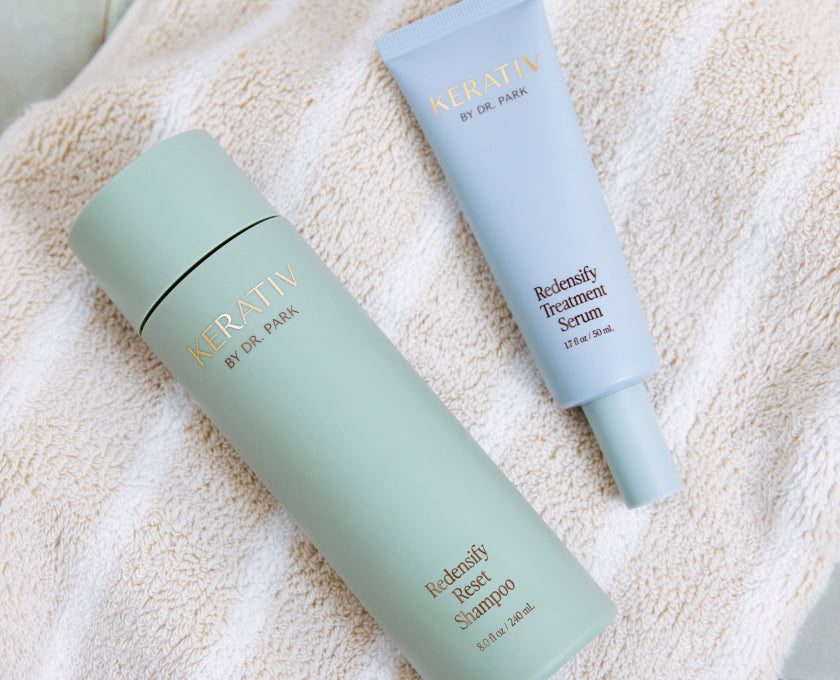
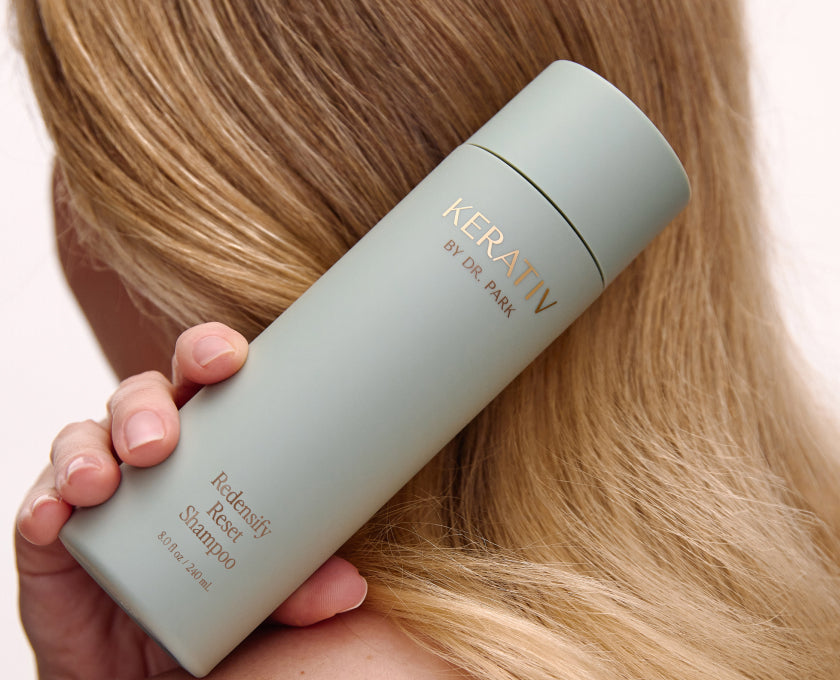
This is exactly how I approached the Redensify Reset Shampoo. It’s designed for regular use, with a chlorella prebiotic to support microbiome balance, zinc PCA to help regulate oil, and a texture that creates a soft, cushiony lather without leaving the scalp stripped.
Because if you’re washing often, your shampoo shouldn’t just cleanse. It should actively support your scalp health.
Read more
The condition of your scalp plays a central role in hair health and growth. Hair thinning and shedding are often treated as problems of the hair itself. But in many cases, the root of the issue is ...
I hear this question from my patients all the time. Someone will come in worried about shedding or thinning and ask whether switching their shampoo could make a real difference. Like most things, ...